
Desalination Plants
Triton desalination plants use high-pressure reverse osmosis to remove the salt from seawater and brackish water
Compact and upgradable
Triton plants are housed in standard shipping containers for ease of transportation, installation, and relocation. They can accommodate different types of seawater with custom filters, and they are easy to upgrade, simply by switching out parts as new technologies become available.
Efficient and effective
Triton plants use less energy than any other desalination plant on the market. And with Reverse Osmosis (RO) technology, they filter water to higher levels of purity than plants that use thermal desalination.
Taylor made
Up to 1 million litres of pure drinking water per day
The capacity of our desalination plants ranges from 50 to 1,000 cubic meters per day. Each plant is designed for the customer’s water source, discharge requirements, and the water-quality and quantity needs.
Our desalination plants can be mounted in standard 20 or 40 foot long shipping containers or mounted on racks for installation inside a machine room.
No civil works are needed
Energy consumption
2.5 to 3 kWh/m3, for seawater desalination
1 to 1.5 kWh/m3 for brackish water
How do our plants work?
Triton desalination plants use high-pressure reverse osmosis, or RO technology, to remove the salt from seawater:
01
In RO, seawater is pushed through a membrane, which blocks salts and undesirable chemicals but allows water molecules to flow through.
02
The salt is discharged in a highly concentrated stream of brine at a high level of pressure.
02
An energy recovery system uses the high pressure of the outgoing brine to increase the pressure of the incoming seawater.
02
The result is a dramatic decrease in the energy required to desalinate water.
The energy recovery device
The Triton’s energy recovery system uses only a single moving part, requiring little if any maintenance over the life of the plant.
And Triton’s three-layer membranes are continuously updated and refined to perform as effectively as possible. New membranes currently under development are expected to lower the pressure requirements to obtain the same desalination quality—even further reducing our plants’ carbon footprint.
Product uses
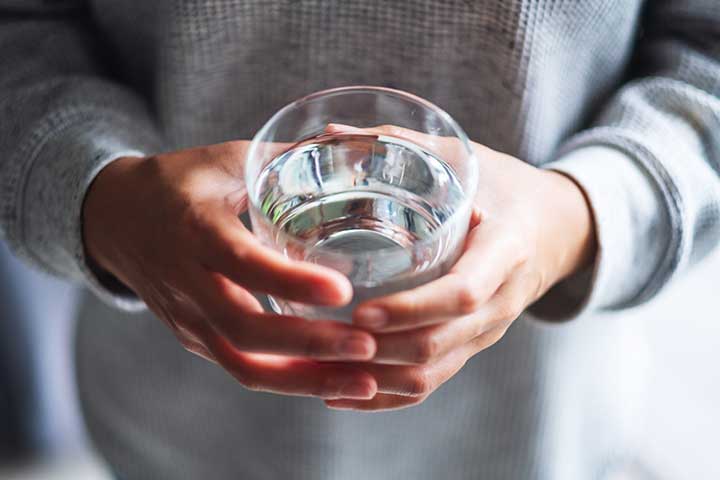
For consumption
- Agriculture
- Water for domestic consumption
- Bottled water
- Water for food and beverage production
- Tourism, hotels, resorts, golf courses
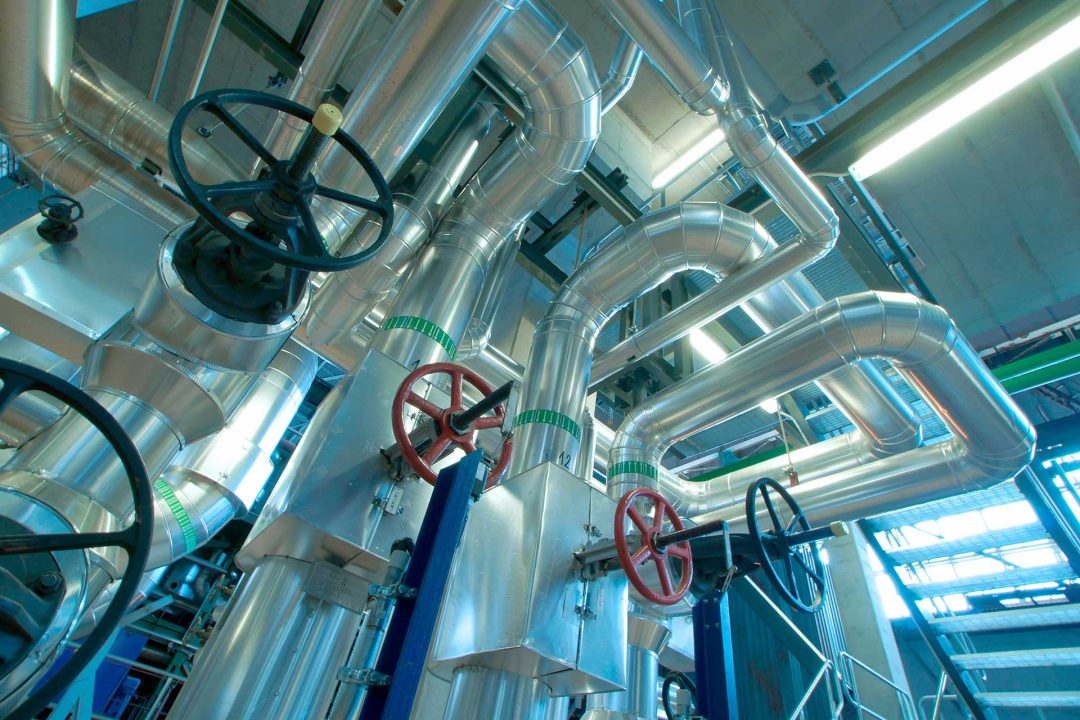
For industrial use
- Maritime platforms
- Mining
- Ultrapure water for sectors such as pharmaceuticals or electronics
- Water for boilers and steam circuits for the energy production sector, among others
- Industrial wastewater treatment

For emergencies
- In emergency situations, guaranteeing availability of water to hospitals or other key services
- In the event of disasters that interrupt the mains water supply.
- During prolonged droughts
- For military base camps
Advantages and benefits
Triton’s reverse osmosis plants offer significant advantages over thermal desalination and large industrial desalination facilities.

Portability
Triton’s plants are housed in standard shipping containers and can be transported wherever needed.

No civil infrastructure
All the Triton customer needs is electricity, sea water, space for a freshwater tank, and a discharge pipe to the sea
Low energy cost
Triton has led the market in crucial technological innovations that have lowered energy consumption by 97%.
Low maintenance cost
Triton’s plants use less pressure than the plants of many other companies, so they experience less wear—which means less maintenance and repair.
Fast, easy installation
Triton’s plants are up and running within 2-3 days.
Easy upgrades
Triton plants are easily upgradeable with new components. That keeps plants efficient and protects capital expenditures.
Lower environmental impact
Large plants discharge large quantities of brine that negatively impact sea life. Triton’s plants discharge a nominal amount of brine, with no known impact.
Protect coastal views
Large plants are an eyesore, disrupting coastal views. Triton plants can be stored in maintenance areas such as near a building’s exterior HVAC, a waste disposal area, etc.
Water distribution
On a small island, Triton can install several small plants in different locations, preventing the necessity for long distribution networks.
FAQs
What is Reverse Osmosis?
Osmosis is a physical phenomenon related to the behaviour of a solid as a solute of a solution before a membrane that is semipermeable for the solvent but not for the solutes. Such behaviour involves simple diffusion through the membrane, without “energy expenditure.” The end result is that, although water moves from the area of low concentration to the area of high concentration and vice versa, there is a greater net flow of water molecules passing from the area of low concentration to the area of high concentration.
It can be said that the opposite of osmosis is being done, which is why it is called reverse osmosis. Keep in mind that in reverse osmosis only water passes through the semipermeable membrane. That is, the water from the area of high concentration passes to the area of low concentration.
If the high concentration is salt, for example seawater, when pressure is applied, the seawater passes to the other side of the membrane. Only water, not salt. That is, the water has been desalinated by reverse osmosis, and can become drinkable.
What is sea or brackish water desalination?
Desalination is a process by which salt is removed from sea or brackish water. Desalination plants are facilities intended for desalination, generally of seawater or salt lakes for the purpose of obtaining drinking water.
Sea water is very salty because it has dissolved mineral salts that precipitate when the water evaporates. Due to the presence of these mineral salts, sea water is not drinkable for humans and ingestion in large quantities can cause death. 97.5% of the water that exists on our planet is salty and only less than 1% is suitable for human consumption. Making seawater drinkable is one of the possible solutions to the shortage of drinking water. By desalinating seawater, fresh water suitable for supply and irrigation is obtained.
How to desalinate seawater or brackish water?
Desalination has quite a few applications, including supplying water for drinking, agriculture, industry, development, and recreation. Over the years, a number of desalination technologies have been developed. Two main families predominate: thermal and membrane.
Thermal desalination
Thermal desalination technologies use heat to boil water. The salt is left behind as the heated water turns to vapor. Then the system condenses the vapor to produce pure water.
Thermal desalination is the older of the two technologies and is very energy-intensive. It uses 3 times as much energy as many reverse osmosis plants and 5 times as much energy as Triton’s plants.
It has been the preferred method of desalination in the Gulf. Reverse Osmosis is far more energy-efficient than thermal desalination—and is growing at a much faster pace.
Membrane desalination (reverse osmosis)
The second approach uses a membrane to separate the salt from the water. The leading membrane technology is Reverse Osmosis, which Triton plants use.
In Reverse Osmosis, water is pushed at very high pressure through a membrane, which blocks salts and undesirable chemicals but allows water molecules to flow through.
Reverse Osmosis is far more energy-efficient than thermal desalination. And the cost of producing water by Reverse Osmosis is typically less than half of what it costs by thermal desalination.
How do Triton’s desalination plants work?
Triton desalination plants use high-pressure reverse osmosis, to remove the salt from seawater:
In reverse osmosis, seawater is pushed through a membrane, which blocks salts and undesirable chemicals but allows water molecules to flow through.
The salt is discharged in a highly concentrated stream of brine at a high level of pressure.
An energy recovery system uses the high pressure of the outgoing brine to increase the pressure of the incoming seawater.
The result is a dramatic decrease in the energy required to desalinate water.
Is it easy to install Triton’s desalination plants?
Triton plants can be assembled as a compact unit, within a standard shipping container, or inside a machine room, from pre-assembled elements.
The compact plants are subjected to workshop tests before being sent to the client, so once the container arrives, they can be installed in 2 or 3 days, you only have to connect the unit to:
- Feed supply (seawater or brackish water)
- Product water evacuation system
- Evacuation system for concentrate
- Electrical power supply
The plants that are assembled in a machine room are delivered pre-assembled in different components, taking between 1 and 2 weeks to install.
After installation, we conduct continual tests to ensure that the plants are operating successfully. Then the plant is commissioned, and we put the operation and maintenance program into place.
All Triton plants are equipped with a remote monitoring system, which lets Triton know when to perform preventative maintenance and ensures that operation is smooth and uninterrupted.
Why install desalination plants instead of piping in fresh water wherever it’s needed?
Water is heavy (about 8 pounds per gallon), and it takes a lot of energy to transport it long distances and to high altitudes—not to mention the cost of the infrastructure required. While desalination may be more energy-intensive than traditional water treatment processes, it doesn’t require transport. It can meet demand right where it’s needed.